
The tree is gone, but the stump is still there, sitting in your yard like an uninvited guest who doesn’t know when to leave. Now what? Most homeowners know they want the stump gone, but the path from A to B gets a little murky when you start researching your options. That’s usually when the stump grinding vs. stump removal question comes up, and the answer isn’t as simple as it might seem.
Here’s everything you need to know to make an informed decision and get your yard back.
Understanding Stump Grinding
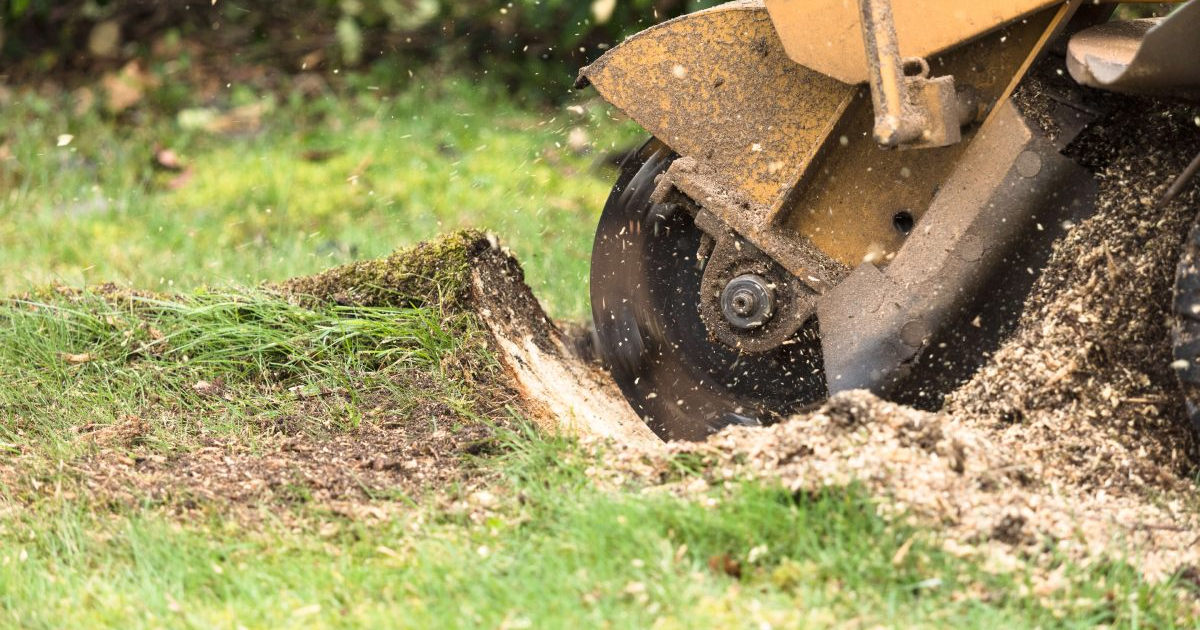
Stump grinding uses a powerful rotating cutting wheel to shred the stump down to wood chips, grinding it below the surface of the soil, typically six to twelve inches deep. The machine works through the remaining trunk layer by layer until nothing is visible above ground. The resulting wood chips are either left to fill the hole or hauled away, depending on your preference.
In the stump grinding vs stump removal comparison, grinding is by far the more common choice for residential properties. It’s faster, less disruptive to the surrounding landscape, and in most cases, more cost-effective. The root system is left in place to decompose naturally underground, which typically happens over the course of several years without causing any surface problems.
Understanding Stump Removal
Stump removal, in contrast, means extracting not just the visible stump but the entire root system attached to it. This is a much more intensive process that requires heavy machinery, significant excavation, and a substantial amount of work. The result is a large, open hole in your yard where the roots used to be, which then needs to be filled and graded.
The biggest question in stump grinding vs. stump removal is why you would choose the more disruptive option. The primary reason is replanting. If you want to plant a new tree in the exact same location, the old root system will prevent new roots from establishing properly, and the decomposing material can alter soil acidity in ways that harm new growth. Full removal clears the way completely.
When Stump Grinding Is the Right Call
For the vast majority of homeowners, stump grinding vs stump removal is a straightforward answer in favor of grinding. Grinding is ideal when you don’t plan to replant in the same spot, you want minimal disruption to your yard and landscaping, you’re working with a tight timeline, and you want the most cost-effective solution. The remaining roots decompose underground and won’t cause sinkholes or structural issues in the timeframe most homeowners need to worry about.
When Stump Removal Is the Right Call
Full stump removal makes sense in a narrower set of circumstances. If you’re clearing a lot for construction and need the ground completely clear of root systems, or if you’re determined to plant a new tree in the same location and want to start with a clean slate, removal may be worth the extra time and cost. It’s also worth noting that walnut trees secrete a compound called juglone into the surrounding soil, which can prevent other plants from growing, making full removal more relevant in those cases.
What Happens to the Roots After Grinding?
This is one of the most common follow-up questions after the stump grinding vs stump removal conversation. The short answer is that the roots left behind after grinding will simply decompose over time. They do not re-sprout a tree. The process is gradual and entirely underground, and you won’t end up with a void or sinkhole in your yard as a result.
Making the Right Choice for Your Property
Both options have their place, but for most South Georgia property owners, stump grinding is the practical, efficient, and cost-effective answer. Georgia Tree Surgeons provides professional stump grinding services across South Georgia, grinding stumps below grade and leaving your property clean and ready to use. If you’re still on the fence about stump grinding vs stump removal, give us a call. Our team will assess your situation and give you a straight answer.